Verdant: Unearthing a Font with Ancient Soul
There’s a particular kind of design project that demands more than just clean lines and modern simplicity. It calls for a voice that feels weathered by time, a visual presence that whispers of epic tales and forgotten realms. If you’ve ever found yourself scrolling through endless sans serifs and crisp serifs, feeling that none of them carry the weight of history or the whisper of myth, you’re not alone. The search for a typeface that feels both powerful and storied ends in a fascinating place: with a font like Verdant, a Celtic-inspired display typeface that doesn’t just occupy space on a page—it commands it with a bold, mythical character.
A Typeface Forged in Legend
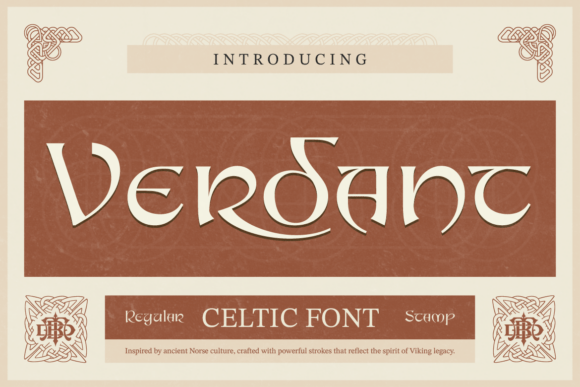
Verdant isn’t merely a collection of letters; it’s an aesthetic statement. Built with strong, confident strokes and organic, flowing curves, it immediately evokes the aesthetics of ancient Norse and medieval manuscripts. Imagine the bold, carved feel of runestones merged with the intricate, hand-drawn elegance of illuminated texts. This font carries that powerful, legendary feel in every glyph. Its personality is unmistakable—it’s authoritative, mystical, and deeply rooted in a visual language of folklore and history. For a designer, this means you’re not just choosing a font; you’re selecting a pre-built atmosphere. The moment you type with Verdant, you inject a narrative of timelessness and epic scale into your work.
Practical Alchemy: Where This Font Truly Shines
The true test of any creative asset is its versatility in real-world applications. Verdant’s design makes it exceptionally suited for projects where storytelling and a strong visual identity are paramount. Its dual styles—Regular and Stamp—offer a brilliant practical advantage. The Regular style provides a cleaner, more defined look for projects that need mythical grandeur without heavy texture. The Stamp style introduces a worn, textured effect, perfect for designs that aim for a more authentic, aged, or rugged appearance. This flexibility allows you to tailor the font’s character to your specific vision.
Consider its power in branding and logo design. A craft brewery specializing in traditional ales, a fantasy author’s personal brand, or a historical reenactment society could use Verdant to create a logo that feels instantly credible and steeped in story. The font does much of the heavy lifting in establishing brand recognition and a professional presentation that aligns with the theme. For packaging design, especially for products like artisanal goods, specialty coffee, or fantasy-themed merchandise, Verdant can make a label jump off the shelf, promising an experience that’s as rich as the product itself.
In the realm of editorial and digital design, its applications are equally compelling. Think of a book cover for a fantasy novel—Verdant can set the title with the gravity and intrigue the story deserves. For game titles, RPG character sheets, or album covers for folk metal or ambient music, this typeface provides an authentic visual anchor. It’s a premium font asset that can elevate social media graphics for niche communities, create stunning posters for events, or add a layer of sophistication to wedding invitations with a medieval or rustic theme.
Integrating Verdant into Your Design Workflow
Adopting a display font with such a strong personality requires a thoughtful approach. Its power lies in its ability to grab attention, which makes it ideal for headlines, logos, and short, impactful text blocks. Using it for long paragraphs of body copy would likely hinder readability. The key is to pair it strategically. A proven method is to combine Verdant with a clean, highly legible sans serif or serif font for body text. This creates a beautiful contrast that allows the mythical display font to shine while ensuring your message remains clear and accessible. Always test font pairings in context to see how they interact visually and tonally.
When working with a client or on your own brand, consider the commercial licensing of any font you choose. Ensuring the license covers your intended use—whether for a logo, merchandise, or digital ads—is a critical step in professional design work. Verdant, as a commercial font, typically comes with a license that permits such use, but it’s always a practice worth confirming. This attention to detail is part of building a sustainable and legally sound brand identity.
Ultimately, choosing a typeface like Verdant is about making a deliberate choice for your project’s soul. It’s for the designer, the entrepreneur, or the creator who wants their visual communication to do more than just inform—they want it to transport. It’s a tool for building worlds, invoking history, and crafting a brand identity that feels not just seen, but deeply felt. In a landscape crowded with the contemporary, sometimes the most powerful move is to reach back into the mists of time and bring something timeless forward.