Stacked Retro: A Font That Brings Gritty Authenticity to Your Designs
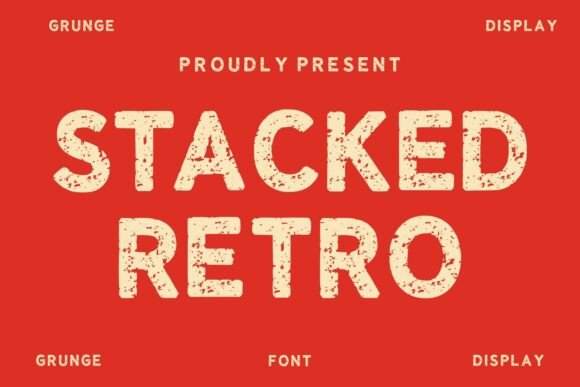
There's a certain energy that comes with vintage signage, weathered gig posters, and old-school brand marks. It feels real, textured, and full of character. If you've been trying to capture that raw, tactile feeling in your own projects, you know how difficult it can be to find a typeface that doesn't look artificially aged or overly polished. This is where a specific style of display font comes into play, one designed to immediately convey a sense of history and weight. Stacked Retro is exactly that kind of typeface—a bold grunge display font built for impact, featuring a rough, distressed texture that gives it an unmistakable vintage and retro personality.
More Than Just a Vintage Look
What sets Stacked Retro apart from other retro fonts is its intentional ruggedness. The letterforms are chunky and substantial, designed to dominate a layout. The distressed texture isn't an afterthought; it's woven into the character of the font, mimicking the ink bleed and wear of old printing presses or the peeled paint of a classic sign. This gives it a strong, authentic grit that feels earned rather than applied. It’s the kind of typeface that makes a poster shout from across the room or gives a t-shirt design instant credibility. For designers working on projects that demand a bold, eye-catching style—think music festival branding, craft brewery labels, or vintage-inspired apparel—this font provides a foundation of powerful visual impact.
The key is understanding its role. This is a display font, meant for headlines, logos, and short bursts of impactful text. It’s not for body copy or lengthy paragraphs. Its strength lies in grabbing attention and setting a specific mood. When used appropriately, it becomes a central piece of a brand's visual identity, communicating values like authenticity, craftsmanship, and a no-nonsense attitude. Pairing it with a cleaner, more legible serif or sans serif font for supporting text creates a balanced and professional typographic hierarchy that guides the viewer's eye effectively.
Practical Applications Across Creative Projects
The true test of any creative asset is its versatility. Stacked Retro finds its home in a surprising range of applications, making it a valuable tool for various professionals.
- Branding & Logo Design: For businesses in the food and beverage space, outdoor adventure, music, or streetwear, this font can form the core of a memorable logo. It immediately communicates a brand's personality—whether it's the ruggedness of a hiking gear company or the rebellious spirit of an indie record label.
- Packaging & Labels: Imagine this font on a hot sauce bottle, a bag of artisan coffee, or a limited-edition craft beer can. It adds shelf appeal and tells a story about the product's character before a customer even tries it.
- Merchandise & Apparel: T-shirts, hoodies, and hats are perfect canvases for a bold display typeface. Stacked Retro's gritty texture translates exceptionally well to screen printing and embroidery, giving designs a classic, worn-in feel from the start.
- Print & Editorial Design: Use it for magazine covers, event posters, album artwork, or book chapter headings. It injects energy into layouts and creates a strong focal point that draws readers in.
- Digital & Social Media: In a crowded digital space, standing out is crucial. This font makes for striking social media graphics, website hero sections, and YouTube thumbnails. It ensures your content is noticed and remembered, improving engagement through sheer visual force.
For content creators and marketers, incorporating a font like this into your toolkit means you can quickly produce assets that look professionally designed. It provides a consistent visual language that can strengthen brand recognition across all touchpoints, from an Instagram story to a printed flyer.
Making It Work: Pairing and Readability
A powerful font requires a thoughtful approach. Using Stacked Retro effectively is about balance and context. The first rule is to never pair it with another loud, decorative font. Doing so creates visual chaos and muddies your message. Instead, let it be the star of the show. Combine it with a simple, neutral typeface. A classic sans serif like Helvetica or a clean serif like Garamond can provide excellent contrast, making the headline pop while ensuring the body text remains easy to read.
Readability is paramount, even with a display font. Always consider the viewing context. At large sizes on a poster or a screen, its character shines. At smaller sizes, the distressed details can become a blur. Test your designs at the intended scale. For a logo that will also be used as a small favicon, you might need to create a simplified version. For social media graphics viewed on phones, ensure the text size is large enough for the texture to be a feature, not a flaw.
Before finalizing a project, take time to review the font's full character set. Premium fonts often include stylistic alternates, ligatures, and multiple weights or styles. Exploring these options can add unique flair to your design. You might find a different "A" or a special combination of letters that elevates your headline from good to great. This attention to detail is what separates amateur work from professional typography.
A Final Note on Licensing and Value
When you find a typeface that fits your vision perfectly, it's worth investing in. For commercial use, always ensure you have the correct license. Most premium font licenses cover a wide range of uses, from digital to print to merchandise, but it's your responsibility to check the terms. This isn't just about legality; it's about respecting the work of the type designer who crafted the asset you're using.
Ultimately, a font like Stacked Retro is more than just letters on a page. It's a design asset that carries mood, history, and attitude. It solves a specific creative problem: how to quickly and effectively communicate a vintage, gritty, and bold aesthetic. By understanding its strengths and using it strategically, you can harness its power to create designs that are not only visually striking but also deeply resonant with your target audience. It’s a tool for telling a story, and in the right hands, that story becomes unforgettable.