Weathy Groovy: Capturing that 70s Vibe in Your Modern Designs
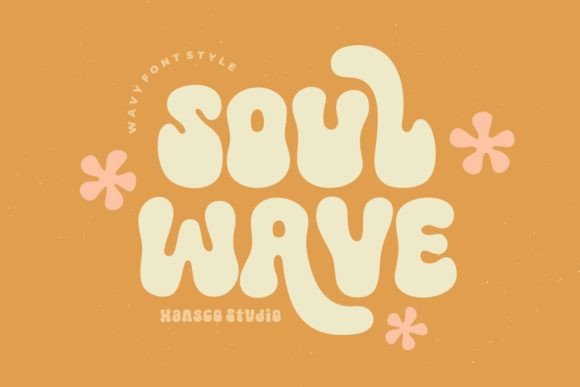
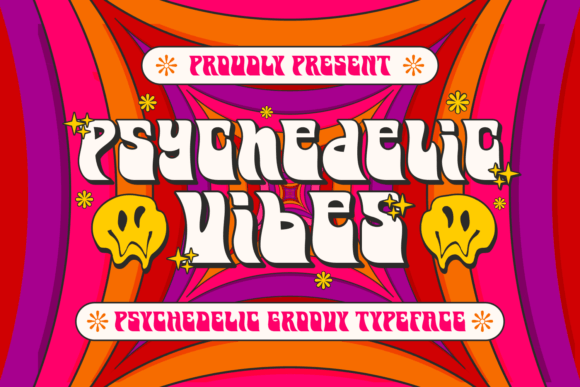
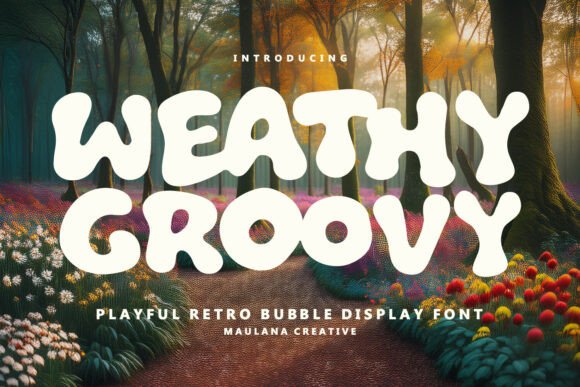
There’s something undeniably magnetic about the visual language of the 1970s. It was a decade that celebrated bold colors, organic shapes, and a sense of playful optimism. If you’re looking to infuse your projects with that same vibrant, carefree energy without feeling dated, typography is your most powerful tool. Enter a typeface that acts as a direct time machine, blending retro charm with contemporary clarity. This font, with its soft, rounded edges and bouncy rhythm, is designed to evoke the spirit of flower power and disco balls while maintaining the clean finish modern design demands. It’s not just about looking back; it’s about using that nostalgic warmth to create something fresh and engaging for today’s audience.
More Than Just Nostalgia: The Anatomy of a Groovy Typeface
At first glance, the appeal is obvious. The letterforms feel friendly and approachable, almost like they’re smiling. But the real magic lies in the details. This isn't a simple, static font. It’s a premium display font engineered for personality. The key feature is its collection of unique ligatures—special character combinations that allow letters to connect and flow into one another seamlessly. When you type, the letters don’t just sit side-by-side; they interact, creating a custom, hand-lettered look that feels organic and effortless. This dynamic quality prevents the text from looking stiff or robotic, which is a common pitfall with many digital typefaces.
The design balances its playful curves with a modern typography foundation. The x-height is generous, ensuring that despite its decorative nature, the core letters remain legible. This makes it a versatile creative font that can move beyond simple logos. It works beautifully in editorial design for pull quotes, in packaging design for artisan goods, or as a standout headline on a website landing page. It provides that "effortless, chill vibe" that helps a brand stand out in a crowded market, signaling creativity and approachability without saying a word.
Practical Applications: From Brand Identity to Social Media
Understanding where to use a display font like this is crucial for maximizing its impact. Because of its strong personality, it shines brightest in applications where grabbing attention is the primary goal. Here’s how you can integrate it into your creative toolkit:
- Logo Design and Brand Identity: For businesses in the wellness, lifestyle, music, or children’s sectors, this font can be the cornerstone of a brand identity. It instantly communicates a relaxed, positive, and trustworthy vibe. Think about a yoga studio, a vinyl record shop, or a boutique clothing line—this typeface sets the tone immediately.
- Social Media Graphics: In the fast-scrolling world of Instagram and TikTok, you have milliseconds to make an impression. The bouncy rhythm of the letters makes for eye-catching headlines that stop the scroll. Use it for quote graphics, sale announcements, or event promotions to inject energy into your feed.
- Merchandise and Packaging: If you’re designing for merchandise like tote bags, t-shirts, or stickers, the retro aesthetic is a proven seller. Similarly, for packaging design—especially for organic foods, craft beverages, or beauty products—the soft, rounded edges suggest natural ingredients and gentle care.
- Digital Products and Invitations: Creating a digital product like a planner, a social media template bundle, or an e-book? Using a distinctive font adds perceived value. For physical or digital invitations to parties, festivals, or weddings with a retro theme, it sets the mood perfectly before the event even begins.
Strategic Pairings and Readability: The Designer’s Checklist
While a groovy font adds flair, using it effectively requires a bit of strategy. No matter how beautiful a typeface is, if it compromises readability, it fails its job. Here are some practical tips for implementation:
First, respect the hierarchy. This is a headline and display font, not a body text font. Pair it with a clean, neutral sans serif font or a simple serif font for your paragraphs. A high-contrast pairing—like a bubbly display header against a crisp, geometric sans-serif body—creates visual interest while ensuring your message is easily digestible. For example, if your header uses this bouncy typeface, try a font like Montserrat or Lato for the supporting text to ground the design.
Second, consider your medium. On screen, the ligatures and curves render beautifully, but on smaller print materials or low-resolution screens, you need to test the output. Always print a test page or view your design on a mobile device to ensure the character connections don’t blur together at small sizes. Legibility is king, especially for essential information like dates, locations, or product details.
Third, explore the full font family. Often, commercial fonts come with multiple styles—perhaps a bold weight, an outline version, or alternates. Reviewing the included styles gives you more tools to create depth in your designs without needing to mix too many different typefaces. This maintains visual consistency across your project while allowing for creative flexibility.
Building a Cohesive Visual Language
Ultimately, the goal of any design asset is to support the story you are telling. Typography is a silent ambassador for your brand. When you choose a typeface with a distinct personality like this one, you are making a deliberate choice about how you want to be perceived. It says, "We are fun, we are approachable, and we appreciate good design."
For small business owners and creative entrepreneurs, investing in a high-quality, unique font is an investment in brand recognition. It moves your visuals away from the generic, overused defaults that saturate the market. Whether you are a content creator looking to level up your thumbnails, a marketer designing a campaign for a summer festival, or a hobbyist creating scrapbook layouts, the right typography bridges the gap between an idea and a professional execution.
By embracing the vibrant energy of the 70s through a modern lens, you tap into a visual language that is both timeless and trending. It allows you to stand out, connect emotionally with your audience, and deliver a message that feels as good as it looks. So, go ahead and bring back the funk—your designs will thank you for it.