Super Comic: A Groovy Retro Font for Fun Summer Projects
There's something undeniably joyful about a font that doesn't take itself too seriously. You know the feeling—when you spot a typeface that immediately conjures sunny afternoons, vintage comic strips, and the kind of carefree energy that makes people smile before they've even read the words. That's exactly the vibe Super Comic brings to the table, and if you're working on projects that need a dose of personality without sacrificing clarity, it's worth a closer look.
What Makes This Typeface Stand Out
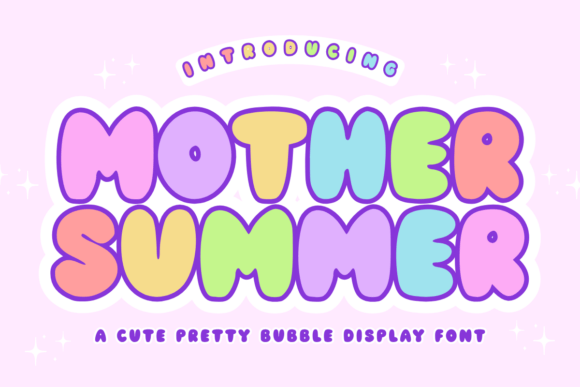
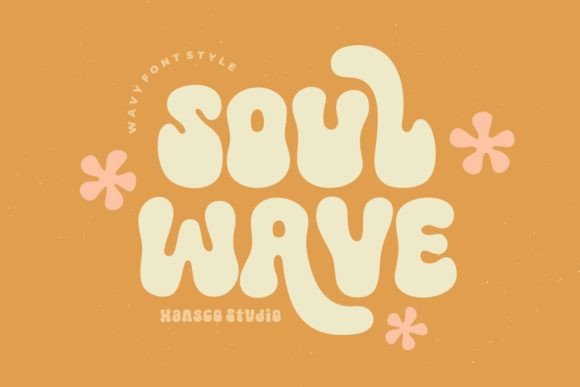
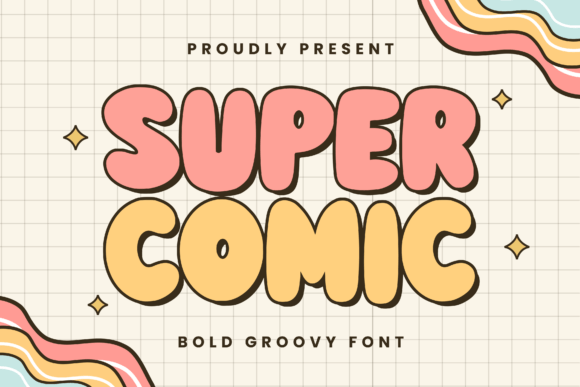
Super Comic is a cheerful, groovy, retro bubble font with a distinctly vintage feel. The letterforms are rounded, bold, and playful—the kind of typography that feels like it was pulled straight from a 1970s beach poster or a classic Saturday morning cartoon title card. Each character carries a sense of movement and warmth, with soft edges and generous proportions that make text feel approachable and fun.
What separates a good display font from a forgettable one often comes down to personality. Super Comic doesn't try to be everything to everyone, and that's its strength. It leans fully into its retro bubble aesthetic, which means when you use it, the vibe is unmistakable. You're not getting a generic rounded font—you're getting something with genuine character that communicates a specific mood the moment someone sees it.
The thick, inflated letter shapes also serve a practical purpose beyond aesthetics. They hold up remarkably well at larger sizes, which is exactly where display fonts need to perform. Whether you're printing on a t-shirt, designing a poster, or creating a header for a landing page, the weight and shape of these letters ensure they command attention without feeling heavy or oppressive.
Where This Font Really Shines
Summer-themed projects are the obvious starting point. Beach events, pool parties, vacation blogs, seasonal sales campaigns, outdoor festival branding—any context where you want to evoke warmth, relaxation, and fun benefits from this kind of typography. The retro bubble style naturally communicates "good times," which makes it a smart choice for anything tied to leisure, entertainment, or celebration.
But limiting it to summer would be selling it short. Consider the broader landscape of print-on-demand applications. T-shirts, stickers, tote bags, greeting cards, pillows, tumblers, mugs, journals—these are all products where the text itself is often the primary design element. A font like Super Comic does the heavy lifting in these scenarios because it's visually interesting enough to stand on its own without needing elaborate illustrations or complex layouts around it.
For small business owners running Cricut projects or sublimation printing, this matters enormously. You need typefaces that cut cleanly, transfer well, and look just as crisp on a ceramic mug as they do on a digital mockup. The bold, simple geometry of bubble fonts generally handles these production methods well, and Super Comic's clean construction suggests it would perform reliably across different substrates and printing techniques.
Building a Brand Around Playful Typography
Here's where things get interesting from a strategic perspective. Choosing a font isn't just about aesthetics—it's about positioning. When a brand uses a retro bubble font consistently across its packaging, social media graphics, website headers, and marketing materials, it's making a deliberate statement about who it is and who it's speaking to.
Think about brands that target parents shopping for kids' products, young adults who gravitate toward nostalgic design, or anyone in the lifestyle and wellness space who wants to feel approachable rather than corporate. Super Comic fits naturally into these brand identities because the font itself carries emotional associations—playfulness, authenticity, warmth, and a slightly vintage sensibility that feels genuine rather than manufactured.
Logo design is another area worth exploring. A wordmark set in a distinctive display font can become the cornerstone of an entire visual identity. The key is ensuring the font's personality aligns with the brand's values. If your business celebrates creativity, fun, community, or nostalgia, a groovy retro typeface reinforces those messages at every touchpoint. Every Instagram post, every product tag, every email header becomes a subtle brand reinforcement.
Pairing and Readability Considerations
No display font should carry the entire weight of a design system on its own. Super Comic works beautifully for headlines, titles, logos, and short bursts of text where personality matters most. For body copy, longer descriptions, or any context where someone needs to read paragraphs of information, you'll want to pair it with something more restrained.
A clean sans serif font makes an excellent companion. Think of something like a straightforward geometric or humanist sans serif for product descriptions, blog paragraphs, or social media captions. The contrast between the playful display font and the functional body text creates visual hierarchy naturally—the eye is drawn to the expressive type first, then flows into the supporting copy without fatigue.
Some designers also experiment with pairing bubble fonts with simple script fonts for certain applications, particularly on invitations or greeting cards where a more personal, handwritten element complements the retro vibe. The trick is keeping one foot grounded. If both fonts are too expressive, the design starts to feel chaotic rather than intentional.
Readability always deserves attention, especially with display fonts. Super Comic's rounded, open letterforms help here—each character is distinct enough that words remain legible even at speed. That said, testing your specific use case is always wise. Print a sample at the actual size it will appear. View it on a phone screen at the dimensions it will actually display. Ask someone unfamiliar with the project to read it and tell you what it says. These simple checks catch problems before they reach your audience.
Practical Tips for Getting the Most From Your Font
Before committing to any premium font for a commercial project, review what's included in the package. Check whether the typeface offers multiple weights, stylistic alternates, or special characters that might enhance your designs. Even a single alternate letterform can add variety when you're creating multiple assets in the same campaign.
Licensing deserves a moment of your attention as well. If you're selling products that feature the font—whether physical merchandise or digital downloads—make sure the license covers commercial use. Most reputable font designers and foundries are transparent about this, and understanding the terms upfront prevents headaches later. It's a small step that protects both your business and the creative professional who crafted the typeface.
Finally, don't be afraid to experiment. Load the font into your design software and try it in contexts you hadn't originally planned. Sometimes a typeface that seemed perfect for t-shirts turns out to be even better for book covers or editorial layouts. Typography has a way of surprising you when you give it room to breathe.
The best creative decisions happen when practical needs and genuine enthusiasm align. If a font makes you smile every time you see it on screen, and it serves the functional requirements of your project, you've found something worth building around. Super Comic has that quality—the ability to inject real personality into designs while remaining versatile enough for serious commercial applications. Whether you're launching a product line, refreshing a brand, or simply making something fun for yourself, it's the kind of design asset that earns its place in your toolkit.