Groovy Night: When Retro Vibes Meet Halloween Horror
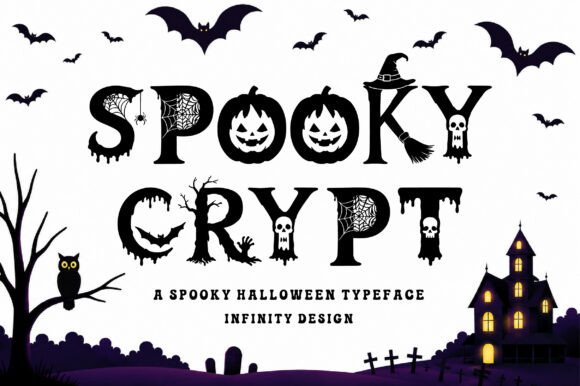
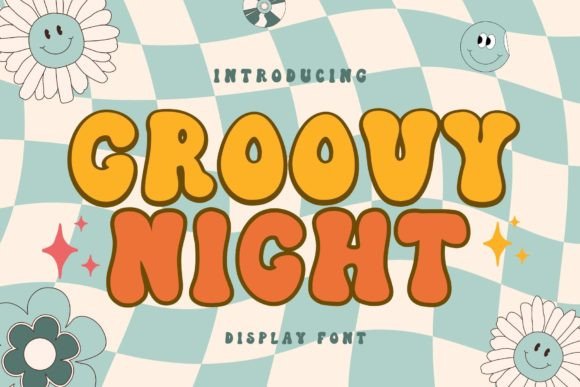
You know that feeling when you stumble across something that perfectly balances two completely different vibes? That's exactly what happens with Groovy Night. This display typeface takes the laid-back, funky energy of 1970s typography and throws in some seriously creepy elements—think blood dripping from letterforms and bone-like structures built into each character. It sounds like an odd combination, but the result is surprisingly cohesive and undeniably eye-catching.
For anyone working on Halloween-themed projects, seasonal marketing campaigns, or anything that needs to feel both nostalgic and a little unsettling, this kind of creative font fills a gap that most typefaces simply can't. Standard horror fonts tend to lean heavily into gothic or grunge aesthetics, while retro fonts usually stay firmly in cheerful, disco-era territory. Groovy Night bridges that divide in a way that feels fresh and intentional.
Where This Typeface Really Shines
Let's talk practical applications, because that's what matters when you're choosing design assets for a real project. Halloween event invitations are an obvious starting point. Whether you're designing for a neighborhood haunted house, a themed birthday party, or a corporate costume bash, the font immediately sets the mood without requiring tons of additional graphic elements. Pair it with a dark background and some subtle texture, and you've got a compelling invitation that people will actually want to keep.
Poster design is another natural fit. Event promoters and venue owners know that grabbing attention on a crowded bulletin board or social media feed requires something distinctive. A display font like this one does heavy lifting by conveying both the fun and the fright of Halloween in a single visual element. When someone glances at your poster for half a second, the typography alone communicates the entire theme.
Packaging design for seasonal products deserves consideration too. Small businesses selling Halloween candy, craft beverages, candles, or specialty foods often struggle to find typography that feels festive without being childish. Groovy Night offers a more mature, design-forward approach to holiday packaging that appeals to adults who appreciate thoughtful visual branding.
Building Brand Identity Around a Distinctive Font
Here's something worth thinking about beyond seasonal use. Brands that host recurring Halloween events or sell seasonal merchandise benefit enormously from consistent typography. When your audience sees those distinctive letterforms year after year, they start associating that visual language with your specific event or product line. That's brand recognition built through font choice alone.
Consider a haunted attraction business. They need marketing materials for social media graphics, printed flyers, signage, merchandise, and their website. Using Groovy Night consistently across all those touchpoints creates visual unity that makes their brand feel established and professional. Customers begin recognizing the attraction's materials before even reading the words.
The same principle applies to content creators and bloggers who cover Halloween content annually. Your blog headers, Pinterest graphics, Instagram stories, and downloadable resources all benefit from a cohesive typographic approach. Rather than searching for different fonts each October, having a go-to typeface that captures the right mood saves time and strengthens your visual identity.
Making Smart Typography Choices
Not every project calls for a display font, and understanding when to use something like Groovy Night versus a more neutral option is a skill worth developing. Display typefaces work best for headlines, titles, logos, and short bursts of text where personality matters more than extended readability. You wouldn't set an entire paragraph in this font—your audience's eyes would fatigue quickly, and the horror details would get lost at smaller sizes.
For body text that accompanies your Groovy Night headings, consider pairing it with a clean sans serif font. The contrast between an ornate, thematic display face and a simple, readable body font creates visual hierarchy that guides readers through your content naturally. Test a few different pairings before committing. Sometimes a geometric sans serif works better than a humanist one, or vice versa, depending on the overall aesthetic you're building.
Readability testing matters more than most people realize. View your designs at the actual size they'll be displayed or printed. A font that looks fantastic on your 27-inch monitor might become illegible when printed on a small invitation card or viewed on a mobile phone screen. Check how the blood drip details and bone-like letterforms render across different sizes and mediums before finalizing your design.
Exploring the Full Range of What's Included
Most premium font packages come with more than just basic uppercase and lowercase letters. Before you start designing, take inventory of what's actually included in your download. Does the typeface offer numerals and punctuation marks that match the horror aesthetic? Are there alternate character styles or ligatures that give you more creative flexibility? Understanding these options upfront prevents frustration later when you realize you need a specific character that doesn't exist in the set.
Some creative font packages include bonus elements like decorative borders, dingbats, or texture overlays that complement the main typeface. These extras can be incredibly valuable for packaging design and editorial layouts where you want cohesive decorative elements without purchasing separate design assets.
Licensing and Commercial Use Considerations
One detail that trips up plenty of designers and small business owners is font licensing. Before using any typeface in a commercial project—whether that's a client's logo design, merchandise you plan to sell, or marketing materials for your own business—verify that your license covers that specific use case. Some licenses distinguish between desktop use, web use, and embedding in digital products.
This isn't just about legal compliance. Understanding licensing terms helps you budget accurately for design projects and avoid unexpected costs down the road. If you're a freelance designer working with clients, clarifying font licensing responsibilities upfront protects both you and your client from potential issues.
Bringing It All Together
The best typography decisions happen when you match the font's personality to your project's goals and audience expectations. Groovy Night works because it understands exactly what it is: a bold, thematic typeface designed for moments that need to feel both fun and frightening. It won't work for a law firm's annual report or a minimalist skincare brand's website, and that's perfectly fine. No font should try to be everything.
What it does offer is a well-crafted solution for designers, event planners, content creators, and business owners who need typography that captures a very specific mood. The retro-meets-horror aesthetic fills a genuine gap in the display font market, and when used thoughtfully within its intended context, it elevates seasonal and themed projects from ordinary to memorable. Sometimes the smartest design choice isn't finding a font that works for everything—it's finding one that works perfectly for your particular project.