Balaba: The Butterfly Font for Modern Branding
Every brand tells a story, and the visual language you choose is the first sentence your audience reads. In a marketplace saturated with the same geometric sans-serifs and predictable serifs, finding a typeface with genuine personality can feel like searching for a needle in a haystack. This is where a creative font like Balaba steps in, offering a distinct voice that is both artistic and functional. Inspired by the delicate, graceful forms of a butterfly in flight, this decorative typeface brings an organic elegance to projects that need to stand out from the crowd.
A Typeface with a Natural Soul
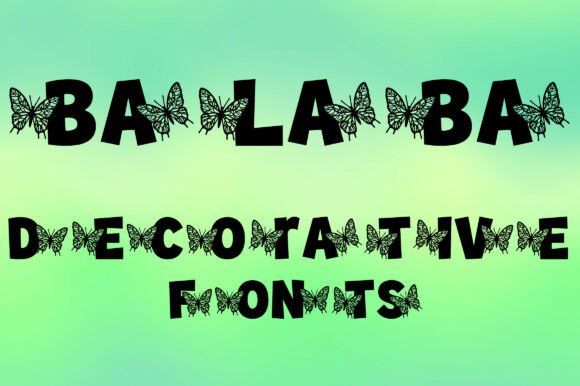
At its core, Balaba is a display font that prioritizes character over strict neutrality. The design philosophy relies on soft curves and subtle movement, mimicking the intricate details of butterfly wings without becoming overly literal or cartoonish. It avoids the rigidity often found in traditional corporate typography. Instead, it offers a fluidity that feels modern yet timeless. This balance is crucial for designers who want to inject personality into a layout without sacrificing the professional presentation required for commercial success.
The visual appeal lies in its versatility. It is not merely a script font, nor is it a standard serif or sans serif font. It occupies a unique space where the uppercase letters A–Z and numbers 0–9 maintain a consistent rhythm, ensuring that headlines and logos look cohesive. The weight of the strokes varies naturally, creating a sense of depth and dimension that flat, monoline fonts often lack. For anyone involved in visual communication, this "breathing" quality can make a significant difference in how a brand is perceived—shifting the tone from cold and corporate to warm and approachable.
Practical Applications: Beyond the Logo
When we talk about brand identity, the logo is just the beginning. The true test of a premium font is how well it integrates across various touchpoints. Balaba excels in environments where visual engagement is the primary goal. Because it is a high-quality design asset, it adapts well to both large-scale printing and digital rendering.
Consider the impact on packaging design. A product on a shelf has only a few seconds to capture attention. Using a distinctive typeface like Balaba for product names or taglines can instantly communicate the nature of the product—perhaps suggesting something artisanal, organic, or luxurious. It works beautifully for cosmetics, boutique food items, or lifestyle goods where the aesthetic must match the quality of what is inside.
In the realm of digital marketing, the font proves equally valuable. Social media graphics need to be scroll-stopping. Whether you are designing Instagram stories, Pinterest pins, or Facebook banners, a creative font helps establish a recognizable visual pattern. When your audience sees that specific typography style repeatedly, it builds brand recognition faster than generic text. For content creators and influencers, this is a powerful tool for building a cohesive aesthetic grid.
Furthermore, the font is highly effective for:
- Invitations and Stationery: Ideal for weddings, galas, or boutique event invitations where elegance is required.
- Editorial Design: Perfect for magazine covers, pull quotes, or chapter headings in books that require a touch of whimsy.
- Merchandise: Great for t-shirts, tote bags, and mugs where the text itself acts as a graphic element.
- Web Design: Useful for hero sections or call-to-action buttons that need a bit more flair than a standard system font.
Strategic Typography: Making Fonts Work for You
Choosing a font is an exercise in strategy, not just aesthetics. While Balaba offers a distinct look, the key to using it effectively lies in understanding the principles of font pairing and readability. A common mistake in design is using a decorative typeface for body copy. Because Balaba has such a strong personality, it is best reserved for headlines, logos, and short bursts of text.
To achieve visual consistency, you must pair this display font with a more neutral companion. For instance, if you are designing a website, using Balaba for the H1 and H2 headings creates a strong visual hierarchy. However, the paragraphs beneath those headings should use a clean, legible sans serif font. This contrast ensures that the design feels dynamic rather than cluttered. A simple sans serif acts as a visual rest for the eyes, allowing the decorative elements to shine without overwhelming the reader.
Readability considerations are paramount, especially in web design and mobile viewing. Always test your font pairings on different screen sizes. A script font or a decorative display font might look stunning on a desktop monitor but can become difficult to decipher on a small smartphone screen. By restricting Balaba to larger display sizes, you maintain the artistic intent while ensuring your message is accessible to everyone.
Building a Brand with Distinctive Assets
For small business owners and entrepreneurs, the goal is often to create a brand that feels established and trustworthy. Typography plays a silent but powerful role in this perception. Using a well-crafted commercial font signals attention to detail. It suggests that the business cares about quality, from the product it sells to the way it presents itself.
When reviewing the included font styles within the Balaba family, pay attention to the specific weights and alternates available. Many modern typefaces include stylistic sets that allow you to customize the look of specific letters. This level of customization allows you to fine-tune your logo so it is truly unique to your brand. It prevents the "template" look that can plague small business branding.
Licensing is another practical aspect that designers and business owners must navigate. When investing in a font for commercial use, ensure that the license covers your intended applications. Whether you are using it for a client's logo, a run of merchandise, or a digital product you intend to sell, understanding the terms of use protects you legally and ensures the font creator is compensated for their work. This ethical approach to design assets supports the creative ecosystem.
Injecting Personality into Modern Design
The current trend in modern typography leans heavily toward authenticity. Audiences are weary of sterile, corporate visuals. They crave connection and personality. This is why handwritten fonts and organic shapes have seen a resurgence. Balaba fits perfectly into this landscape. It offers the sophistication of a polished typeface with the warmth of a hand-drawn element.
Imagine using this font for a bakery's branding. The curves of the letters could evoke the swirl of frosting or the delicate structure of a pastry. For a wellness brand, the butterfly inspiration aligns naturally with themes of transformation, growth, and lightness. This alignment between the font's visual characteristics and the brand's core values is what elevates a design from "good looking" to "effective."
Experimentation is key. Don't be afraid to manipulate the tracking (the space between letters) or the leading (line height) to see how the font behaves. Sometimes, opening up the spacing in a decorative font can give it a more airy, high-end feel. Conversely, tightening the spacing can make it feel more compact and bold. These subtle adjustments are part of the craft of typography and allow you to mold the font to fit the specific mood of your project.
Final Thoughts on Creative Execution
Ultimately, a font is a tool, and like any tool, its value is determined by how it is used. Balaba is not a magic solution for bad design, but it is a powerful catalyst for good design. It provides the "hook" that draws the eye, allowing your message to take center stage. By combining this distinctive typeface with solid design principles—contrast, hierarchy, and white space—you can create visuals that are not only beautiful but also highly effective at communicating your message.
Whether you are a hobbyist working on a passion project or a professional designer tackling a complex branding overhaul, having a library of versatile, high-quality fonts is essential. This particular butterfly-inspired design offers a specific flavor that can solve common design problems: how to be elegant without being stuffy, and how to be playful without being juvenile. It bridges the gap between art and commerce, making it a worthy addition to any creative toolkit.