Rubbero: The Condensed Font with Vintage Soul
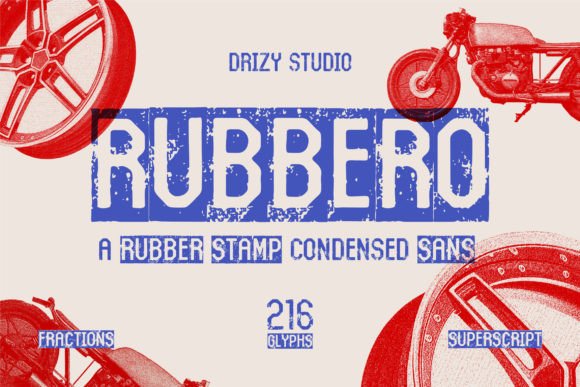
There's a particular kind of charm in a well-worn rubber stamp—the slight imperfections, the textured impression, the sense that something was made by hand with intention. That tactile, authentic feeling is exactly what Rubbero brings to the table. This condensed display font captures the spirit of vintage stamp typography and packages it into a modern, versatile typeface that works beautifully across a surprising range of projects. If you've been searching for a font that feels both nostalgic and contemporary, Rubbero deserves a closer look.
What Makes Rubbero Stand Out
Rubbero isn't trying to be everything to everyone, and that's precisely its strength. As a condensed typeface, it occupies less horizontal space than many display fonts, which means you can fit more text into tighter layouts without sacrificing impact. The letterforms carry that distinctive rubber stamp aesthetic—slightly rough edges, a hand-pressed quality, and a weight that commands attention without shouting. It's the kind of font that feels like it has a story behind it.
What separates Rubbero from other display fonts is its balance between personality and functionality. Some decorative typefaces look stunning in a headline but fall apart the moment you try to use them at smaller sizes or in longer words. Rubbero's condensed proportions keep it legible even when space is limited, making it far more practical than many novelty alternatives. It's a premium font that doesn't just look good in a specimen sheet—it actually performs in real design scenarios.
Where Rubbero Truly Shines
Think about the brands and products that catch your eye on a crowded shelf. Craft breweries, artisan coffee roasters, independent record labels, boutique clothing lines—these are spaces where authenticity matters, and typography plays a huge role in communicating that. Rubbero fits naturally into this world. Its stamp-inspired character suggests something handmade, small-batch, and genuine. Use it for packaging design, and you instantly signal to customers that this product has soul.
Logo design is another area where this typeface excels. A condensed display font works wonders for wordmarks because it keeps the logo compact and recognizable. Whether you're designing for a new startup or refreshing an existing brand identity, Rubbero can anchor a logo that feels distinctive without being overly complicated. Pair it with a clean sans serif font for body text, and you've got a brand system that feels cohesive and intentional.
Social media graphics are another natural fit. Platforms like Instagram and Pinterest reward bold, eye-catching visuals, and a condensed font with this much character stops the scroll. Think about creating quote graphics, sale announcements, event promotions, or story templates. Rubbero's compact form means you can stack words vertically or fit longer phrases into standard social media dimensions without awkward line breaks.
Practical Applications Worth Considering
The versatility of Rubbero extends well beyond logos and social posts. Here are some specific scenarios where this font can elevate your work:
- Poster and flyer design — The condensed shape lets you stack headlines for maximum visual hierarchy without cluttering the layout.
- Merchandise — T-shirts, tote bags, stickers, and hats benefit from bold, stamp-style typography that reads well at various sizes.
- Invitations and event materials — For weddings, launches, pop-up shops, or gallery openings, Rubbero adds personality that generic script fonts can't match.
- Blog headers and website banners — Give your digital presence some texture and warmth with a display font that stands apart from the usual web-safe options.
- Editorial layouts — Magazine spreads, zines, and book covers often need display type that feels editorial without being stuffy.
- Digital products — If you sell templates, planners, or printable art on platforms like Etsy or Creative Market, incorporating a distinctive font like Rubbero can set your offerings apart.
- Marketing assets — Email headers, ad creatives, landing page headlines, and promotional materials all benefit from typography that grabs attention quickly.
Pairing Rubbero with Other Fonts
One of the most important skills in typography is knowing how to combine typefaces. Rubbero works best as a headline or accent font, which means you'll want to pair it with something more restrained for body copy. A simple sans serif font like a geometric or humanist typeface provides a clean counterbalance to Rubbero's textured personality. If your project leans more traditional or editorial, consider pairing it with a classic serif font for an interesting contrast between vintage and refined.
The key principle is contrast without conflict. You want your font pairing to feel like a conversation between two distinct voices, not two people arguing. Test your combinations at actual sizes—in a mockup, not just in your font menu. See how the condensed letterforms of Rubbero interact with your chosen body font when they're sitting on the same page. Does the hierarchy feel clear? Does the overall tone match your project goals? These are the questions that separate good typography from great typography.
It's also worth reviewing what font styles are included with Rubbero before you commit. Some versions of condensed display fonts come with alternates, ligatures, or multiple weights that give you more flexibility. Understanding what's in the package helps you plan your designs more effectively and avoid surprises mid-project.
Readability and Real-World Considerations
Every font has its sweet spot, and for Rubbero, that's display-sized text. Headlines, subheadings, short labels, and bold statements—these are where condensed stamp fonts truly thrive. Using Rubbero for a 12-point paragraph of body text would undermine its strengths. Keep it large, keep it bold, and let it do what it does best: make a statement.
If you're working on a project that will be printed, pay attention to how the textured details reproduce at your intended size and on your chosen paper stock. Rubbero's stamp-inspired edges may read beautifully on screen, but a quick test print can save you from unexpected results. For digital applications, the font renders crisply across devices, especially at the larger sizes where it's designed to live.
Licensing and Commercial Use
If you're planning to use Rubbero for client work, merchandise, or any commercial application, take a moment to review the licensing terms. Most premium fonts come with specific guidelines about how many users or devices can access the font, whether it can be embedded in digital products, and what counts as a commercial use. Understanding these details upfront protects both you and your clients, and it's a professional habit worth building. A commercial font is an investment in your design toolkit, and respecting the license terms ensures that type designers can continue creating quality work.
Bringing It All Together
Rubbero isn't just another display font collecting digital dust in your font library. It's a design asset with a clear point of view—one that bridges the gap between vintage charm and modern practicality. Whether you're building a brand from scratch, creating content for a growing audience, or designing packaging for a product you believe in, this condensed typeface offers something genuinely useful: a way to communicate personality, authenticity, and confidence through letterforms alone.
The best typography decisions happen when you match the font's voice to the project's story. Rubbero speaks with a voice that's bold, handmade, and unmistakably real. When the project calls for that kind of authenticity, few typefaces deliver it as naturally as this one does.