Mortina: A Vintage Sans Serif That Feels Like a Classic Record Sleeve
There's a particular feeling you get from a well-worn diner menu, a classic film title card, or the label on a vintage bottle. It’s a sense of warmth, authenticity, and timeless style that modern, ultra-clean fonts sometimes struggle to capture. For designers and creators looking to inject that nostalgic charm into their work, the right typeface is essential. This is where a premium font like Mortina comes into play—a thoughtfully crafted vintage sans serif font duo designed to evoke the optimistic spirit of the 1950s and 60s.
Beyond the Basics: Understanding the Font's Character
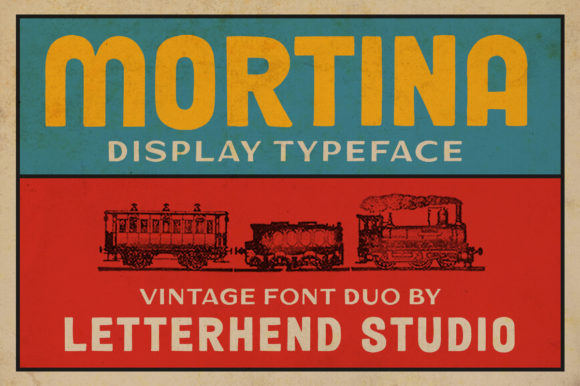
At its core, Mortina is a sans serif typeface, but calling it that feels like describing a classic car as simply "a vehicle." Its visual personality is defined by subtle, period-appropriate details. You might notice slightly rounded terminals that soften its edges, or a gentle geometric influence that feels distinctly mid-century. Unlike sterile, modern sans serifs, Mortina has a human touch. It doesn't shout; it confidently speaks in a voice that’s both friendly and authoritative. This makes it an incredibly versatile creative font, capable of lending character to a project without overwhelming the message.
The fact that it’s offered as a font duo is a significant practical advantage. Typically, this includes a primary display font for headlines and logos, paired with a complementary style—perhaps a more condensed version or a textured variant—that ensures visual harmony across different applications. This built-in pairing simplifies the design process, giving you a ready-made typographic system that maintains brand consistency from a website header to the fine print on packaging.
Where Vintage Meets Versatility: Real-World Applications
The true test of any typeface is how it performs in the wild. Mortina’s design makes it a natural fit for a wide range of projects where a touch of retro authenticity is desired.
- Logo and Brand Identity: For a craft brewery, a boutique coffee roaster, or a vintage clothing store, Mortina can form the cornerstone of a brand identity. Its distinctive letterforms are memorable and work beautifully in a standalone logo lockup. When used consistently across business cards, letterheads, and signage, it helps build immediate brand recognition that feels established and trustworthy.
- Packaging and Label Design: This is perhaps Mortina’s sweet spot. Imagine it on a hot sauce label, a artisanal jam jar, or a vinyl record sleeve. The font does more than list ingredients; it tells a story of craftsmanship and care. Its readability at various sizes ensures the necessary information is clear, while its style communicates the product's personality before it’s even opened.
- Editorial and Print Layouts: Magazines, zines, and posters looking for a retro aesthetic will find a strong ally in Mortina. It can be used for striking pull quotes, chapter headings, or event titles that need to grab attention. Paired with a classic serif font for body text, it creates a dynamic and engaging layout that guides the reader’s eye.
- Digital Presence: In the realm of web design and social media graphics, Mortina helps cut through the digital noise. A blog header set in this typeface immediately sets a specific tone. For Instagram graphics or Pinterest pins promoting a workshop, a product, or a blog post, the font adds a layer of professionalism and stylistic intention that generic system fonts cannot match.
- Merchandise and Invitations: From t-shirts and tote bags to wedding invitations and event posters, the applications are nearly endless. Its friendly yet stylish appearance makes it suitable for both commercial merchandise and personal projects where you want to create something that feels special and considered.
Making It Work: Practical Tips for Using Mortina
Adopting a new typeface into your toolkit is about more than just liking how it looks. To use it effectively, a little strategy goes a long way.
Start with the Goal: Before you even open your design software, ask what you want the typography to achieve. Is the primary goal to be eye-catching for a poster? Or to feel welcoming and legible for a website navigation menu? Mortina’s display styles are ideal for the former, while its more regular weights might be better suited for the latter in limited use.
Master the Pairing: While the font duo provides a great starting point, you’ll often need to pair Mortina with other typefaces. A general rule of thumb is contrast. Its vintage sans serif style pairs wonderfully with a clean, modern sans serif for body copy, creating a balanced hierarchy. For a more classic, editorial feel, try combining it with a timeless serif font. Always test these font pairings in context to ensure they work together, not against each other.
Readability is Non-Negotiable: No matter how beautiful a font is, it fails if people can’t read it. Pay close attention to sizing, leading (line spacing), and contrast against the background. While Mortina is designed for clarity, a highly decorative style used for long paragraphs of small text will likely hinder comprehension. Use its more stylized versions for headlines and short bursts of text.
Check the License: If you’re using Mortina for a client project, a product you sell, or any commercial endeavor, always review the commercial licensing terms. Understanding what’s permitted—whether for print, digital, merchandise, or logo use—protects you and your client and ensures you’re using the design asset ethically.
The Takeaway: A Tool for Telling Better Visual Stories
Ultimately, a typeface like Mortina is more than just a set of letters. It’s a design asset that carries history, emotion, and style. It provides a shortcut to a specific aesthetic that can elevate a project from looking generic to feeling intentionally curated. By understanding its personality and applying it thoughtfully, you can use it to create stronger visual consistency, more engaging marketing materials, and brand identities that truly resonate with an audience seeking that authentic, timeless connection. It’s about choosing a tool that helps you tell your story with the right tone from the very first glance.