Rough Dream: The Varsity Typeface with a Gritty, Authentic Edge
There's a certain energy that comes with classic sports lettering—the kind of bold, confident typography you'd see on a vintage letterman jacket or a well-worn team banner. That feeling of heritage, strength, and a little bit of attitude is exactly what the Rough Dream font captures. It’s not just another display typeface; it’s a design tool built for projects that need to make a statement without saying a word. If you're working on anything from a local team logo to a streetwear brand or a motivational poster, understanding how to use a font like this can be the difference between a design that blends in and one that stands out.
More Than Just Distressed Texture
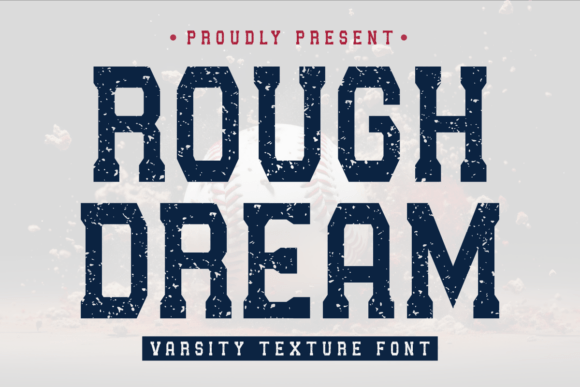
At first glance, the defining feature of Rough Dream is its textured, gritty appearance. The slightly worn edges and imperfect lines give it an authentic, handcrafted quality that digital fonts often lack. This isn't a clean, sterile sans serif font; it has character. But its visual appeal goes deeper than just the surface effect. The letterforms themselves are rooted in classic varsity and athletic design traditions—strong, blocky shapes with a clear, readable structure. This combination means it carries a sense of nostalgia and reliability while still feeling fresh and relevant for modern projects. It’s a typeface that communicates toughness, resilience, and a competitive spirit, making it incredibly versatile for brands and creators looking to tap into that energy.
Putting Rough Dream to Work: Practical Applications
The real test of any creative font is how it performs in the wild. Rough Dream’s personality makes it a natural fit for a wide range of applications where a bold, confident voice is needed. Think beyond just the obvious sports teams. This typeface shines in branding for fitness studios, outdoor adventure companies, or any business that wants to project strength and determination. It’s fantastic for logo design, especially for logos that need to be recognizable at a glance on merchandise or signage.
For packaging design, particularly for products like craft beer, energy drinks, or specialty foods with a rugged, artisanal vibe, Rough Dream adds instant shelf appeal. Its textured look works beautifully on social media graphics, especially for posts promoting events, sales, or motivational content where you need to stop the scroll. It translates well to print materials like posters, flyers, and even bold invitation designs for events like tournaments or themed parties. If you’re a content creator, using it for blog headers or YouTube thumbnails can inject a dose of personality into your visual identity. Essentially, any project that benefits from a touch of vintage athleticism or a tough, no-nonsense attitude can leverage this font effectively.
Building a Stronger Brand with the Right Typography
Choosing a typeface is a strategic branding decision. Using Rough Dream consistently across your touchpoints—from your website headers to your social media profile images and merchandise—builds immediate recognition. Its distinctive style becomes part of your brand’s visual language, helping you stand out in a crowded market. The font’s inherent readability, despite its texture, ensures that your message gets across clearly, which is crucial for both professional presentation and audience engagement. When your typography aligns perfectly with your brand’s values—whether that’s strength, tradition, or edgy creativity—it creates a cohesive and memorable experience for your audience.
Pairing and Practicality: Using This Typeface Wisely
A font as bold as Rough Dream is a powerful tool, but like any powerful tool, it’s best used with some strategy. Its strength is in headlines, logos, and short, impactful text. For body copy or longer paragraphs, you’ll want to pair it with a highly legible companion font. A clean sans serif font or even a simple serif font can provide a perfect balance, allowing the bold display typeface to grab attention while the secondary font ensures easy reading.
Always consider the context. While it’s perfect for a poster advertising a local boxing match, it might not be the right choice for the body text of a corporate law firm’s annual report. Test your font pairings in the actual medium they’ll be used in—mock up a social media post, a website banner, or a physical product label to see how the textures and weights interact with other design elements. Check what font styles are included in the package; often, a family like this will come with different weights or additional stylistic alternates that can expand your creative options.
Finally, for any commercial project, always review the licensing terms. Ensure the license covers your intended use, whether it’s for client work, merchandise for sale, or digital products. This is a standard but critical step in working with any premium font or design asset. By thoughtfully integrating a typeface like Rough Dream into your toolkit, you’re not just picking a font—you’re adopting a visual identity that can help tell a stronger, more compelling story for your brand or project.