Fortnight: A Hand-Lettered Serif with Authentic Character
There's a particular kind of visual warmth that comes from something made by hand. You see it in the slight wobble of a hand-painted sign, the texture of letterpress on thick cotton paper, or the imperfect charm of a chalkboard menu at your favorite café. This organic quality communicates authenticity, craftsmanship, and a human touch that polished, machine-perfect fonts often struggle to convey. If your creative projects are calling for that genuine, handcrafted feeling, the Fortnight typeface might just be the tool you've been searching for.
Understanding the Visual Language of Fortnight
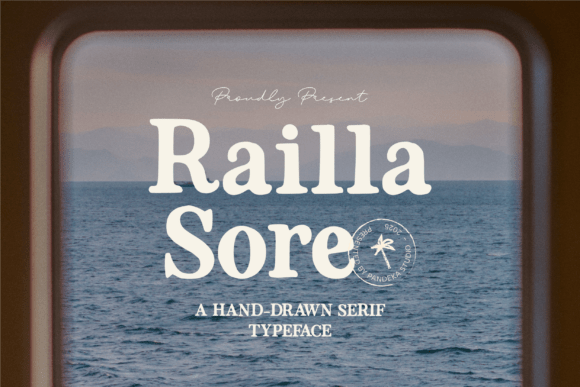
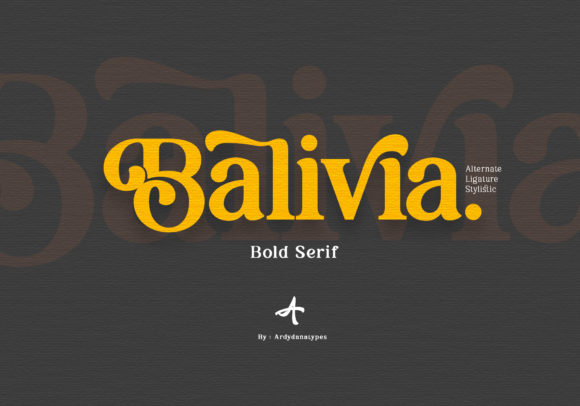
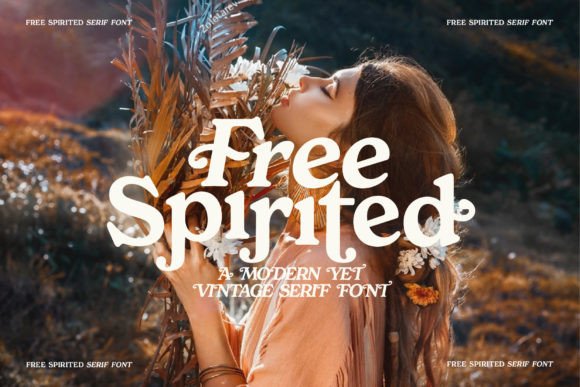
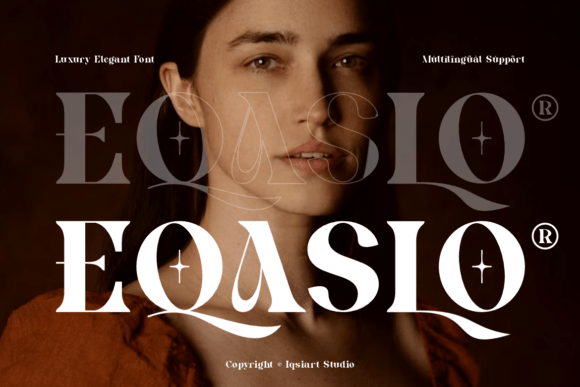
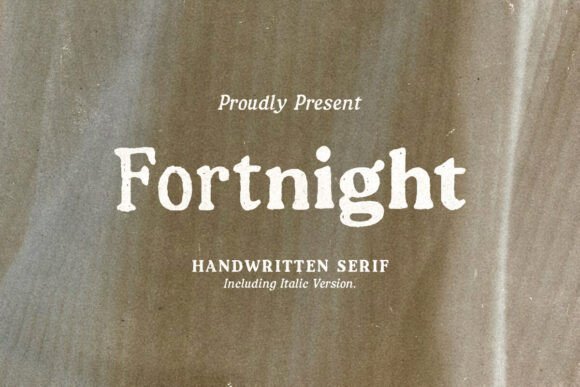
Fortnight is a hand-lettered serif font family designed to capture the beauty of imperfection. Unlike traditional serif fonts that rely on precise, uniform strokes, Fortnight features handmade and natural rough looks. The edges are subtly irregular, the serifs have a gentle, organic feel, and the overall texture suggests ink that has been applied with a real pen or brush. It’s a premium font that bridges the gap between classic typographic structure and the lively energy of hand-drawn letterforms.
The family includes four essential styles: Regular, Italic, Bold, and Bold Italic. This range provides enough versatility for creating hierarchy and emphasis within your designs. The Regular style is perfect for body text or subheadings where you want a consistent, readable handcrafted look. The Italic offers a slightly more dynamic and flowing alternative, ideal for quotes or accent text. The Bold style commands attention for headlines, logos, and key messages, while the Bold Italic combines weight and movement for maximum impact.
Where Handcrafted Typography Truly Shines
The true value of a creative font like Fortnight is realized in its application. Its personality makes it exceptionally well-suited for projects where storytelling, authenticity, and a personal connection are paramount. Consider how it might transform:
- Brand Identity & Logo Design: For a boutique coffee roaster, a handmade soap company, or a local artisan bakery, Fortnight can form the core of a brand identity that feels rooted in craft. Its rough edges communicate care and small-batch quality, helping a logo design stand out from the sterile, corporate look of many competitors.
- Packaging & Merchandise: On a product label, a tote bag, or a coffee cup sleeve, Fortnight adds a layer of tactile appeal. It suggests the product inside is made with intention, not mass-produced. This is crucial for packaging design where shelf appeal and first impressions are everything.
- Editorial & Print Materials: Imagine the masthead of an independent magazine, the chapter headings in a cookbook, or the typography on a wedding invitation. Fortnight brings a unique, editorial voice to print materials, making layouts feel more personal and curated.
- Digital Presence: Used strategically in web design for headings or pull quotes, it can break the monotony of standard web fonts. For social media graphics, it adds instant personality to Instagram posts, Pinterest pins, and Facebook ads, helping content stop the scroll with its distinctive look.
Practical Advice for Using This Typeface Effectively
Adopting any new display font requires some thoughtful consideration to ensure it enhances rather than hinders your project. Here’s how to get the most out of Fortnight.
Pairing with Purpose: A strong font pairing is key. Fortnight’s detailed, textured nature means it pairs best with clean, simple companions. Try using it for headlines alongside a neutral sans serif font for body text. A clean geometric sans serif or a humanist sans serif can provide excellent contrast, letting Fortnight’s character shine without causing visual clutter. Avoid pairing it with other highly decorative or script font styles, as this can create a chaotic, unreadable design.
Readability First: While Fortnight is crafted for legibility, its hand-lettered style is best used at larger sizes. It’s a serif font meant for impact, not for long paragraphs of small text. Use it for titles, headers, logos, and short bursts of text. For body copy, especially on screens, opt for a highly readable web font or sans serif. Always test your designs at the actual size they will be viewed to ensure clarity.
Choosing the Right Style: Let your project goals guide your choice. The Regular and Italic are fantastic for creating a warm, approachable tone. The Bold and Bold Italic are your tools for creating strong focal points and visual hierarchy. Don’t be afraid to mix them—using Bold for a main headline and Regular for a subheading can create a sophisticated, layered look.
From Design Asset to Commercial Tool
For entrepreneurs and creators, a font is more than just a design element; it’s a commercial font asset that can define how your audience perceives you. Fortnight offers a way to build visual consistency across all your marketing assets, from your website to your email newsletters to your printed flyers. This consistency is the bedrock of strong brand recognition.
When you select a typeface like this, you’re investing in a piece of your brand’s voice. It helps you communicate your values—perhaps creativity, tradition, or authenticity—before a customer even reads a word. The included styles (Regular, Italic, Bold, Bold Italic) give you a complete toolkit for maintaining that voice across different contexts and media, ensuring your presentation is always professional and aligned with your brand’s personality.
Ultimately, the right typography does more than just display words; it evokes a feeling and tells a story. Fortnight, with its handmade and natural rough looks, is a powerful storyteller for anyone whose work is built on passion, craft, and a genuine human connection. It’s a design asset that can help transform a simple project into something that feels truly special and considered.