French Cursive Dotted Arrows: A Font for Creative Learning
There’s a certain magic to the flowing, connected letters of French cursive. It’s a script that feels both elegant and personal, a style that carries a sense of history and sophistication. For designers, educators, and creators, capturing that authentic, handwritten quality in a digital format opens up a world of possibilities. This is where a specialized tool like the French Cursive Dotted Arrows font comes into play. More than just a typeface, it’s a bridge between the art of beautiful penmanship and the practical needs of modern projects, offering a unique way to create engaging, educational, and visually rich content.
A Typeface Built for Teaching and Creation
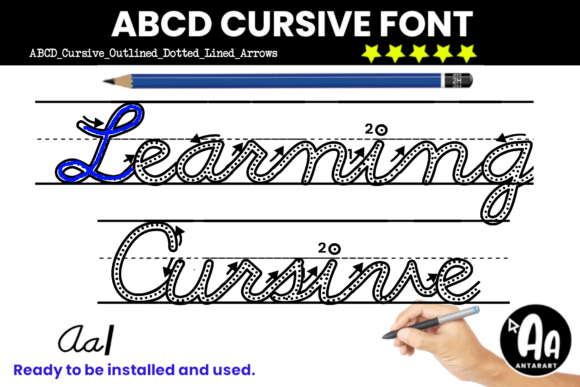
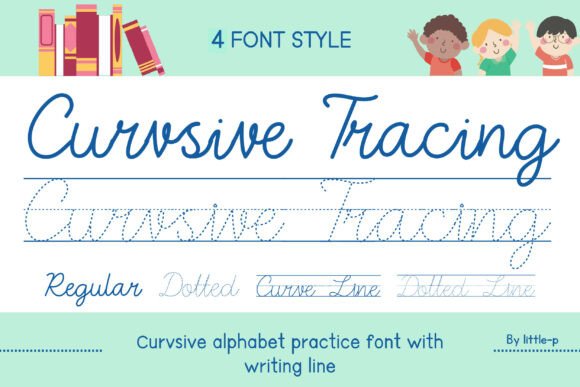
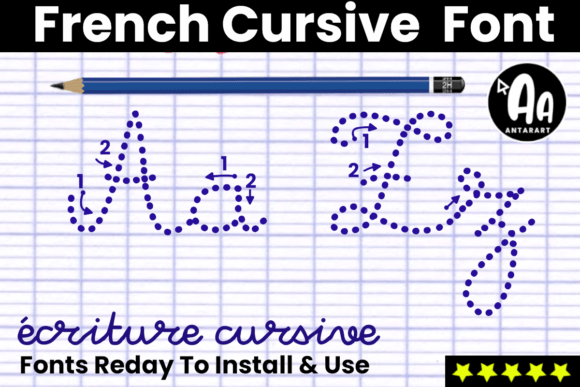
At its core, the French Cursive Dotted Arrows font is a brilliant hybrid. It combines the authentic letterforms of traditional French cursive with two incredibly useful instructional features: dotted strokes and directional arrows. Imagine a worksheet where a child can trace the graceful curve of a ‘g’ or the swooping tail of a ‘y’, guided by subtle arrows showing the exact hand movement. This isn't just a font; it's a built-in teaching assistant. The visual cues make the learning process intuitive, transforming abstract letters into a clear, follow-the-path activity.
But its utility extends far beyond the classroom. For a designer, the dotted, handwritten style offers a distinctive texture. It can evoke a sense of craftsmanship, personalization, and thoughtful creation. Think about a boutique bakery’s logo where the name is written in this dotted cursive, suggesting each pastry is made by hand. Or consider the packaging for a artisanal candle company, where the scent description is set in this font, adding a layer of intimate, human touch. The arrows, while instructional, can also be incorporated as a design motif themselves, suggesting direction, flow, or a step-by-step process in infographics or brand storytelling.
Practical Applications Across Creative Projects
The versatility of a font like this is its greatest strength. It’s a premium design asset that can adapt to numerous contexts, helping to maintain visual consistency while injecting personality. Here’s how different professionals might put it to use:
- Branding & Logo Design: Ideal for brands that want to communicate authenticity, education, or a handmade ethos. A tutoring service, a stationery brand, or a children’s book author could build a memorable brand identity around this typeface.
- Packaging & Merchandise: Perfect for product labels, hang tags, and thank-you notes. It adds a premium, personal touch that can elevate perceived value and strengthen customer connection.
- Digital Products & Marketing: Use it to create engaging social media graphics, email headers, or digital planner stickers. The dotted style is visually interesting and can increase audience engagement by making content feel more interactive.
- Editorial & Web Design: As a display font for pull quotes, chapter titles, or blog post headings, it adds a human, artistic flair that contrasts beautifully with clean sans-serif body text.
- Invitations & Print Materials: Create stunning wedding invitations, event programs, or workshop flyers that feel bespoke and carefully crafted.
Pairing and Readability: A Designer’s Perspective
Integrating a distinctive script font like French Cursive Dotted Arrows into a design requires a thoughtful approach to typography. The key is balance. Because it’s a highly decorative display font, it’s best used for headlines, short phrases, or accent text rather than long paragraphs. Its intricate, dotted nature can reduce readability at small sizes or in dense blocks of text.
The real magic happens in font pairing. For a professional presentation, pair it with a clean, neutral sans-serif font like Helvetica, Arial, or a modern grotesque. This creates a clear hierarchy, allowing the cursive to stand out for key messages while the sans-serif handles the supporting information with clarity. For a more editorial or vintage feel, it can be paired with a classic serif font like Garamond or Times New Roman, creating a dialogue between traditional and handwritten styles.
Always test your pairings in context. View them on a mockup of your intended medium—whether it’s a business card, a website header, or a social media post. Check the legibility at various sizes and ensure the overall tone matches your project goals. Does the combination feel trustworthy? Playful? Sophisticated? The answers will guide your final choice.
Beyond Aesthetics: The Commercial Considerations
When investing in a creative font, especially one intended for commercial use, licensing is a critical factor. A well-designed font package will come with clear licensing terms that outline how you can use it—in logos, on products, in digital ads, etc. Always review the End User License Agreement (EULA) to ensure it covers your specific needs, whether you’re a freelancer creating assets for a client or a small business owner using it across your own brand materials.
The French Cursive Dotted Arrows font is more than a visual shortcut; it’s a strategic design asset. It solves a practical problem for educators while offering a distinct aesthetic for creatives. By understanding its dual nature—both as a teaching tool and a typographic style—you can leverage it to create work that is not only beautiful but also meaningful and effective. Whether you’re designing a worksheet to help a child learn to write or crafting a brand identity that values authenticity, this font provides a unique and valuable solution.