Authoring: Where Typewriter Soul Meets Serif Sophistication
There’s a particular charm in the click-clack of old typewriter keys hitting paper—the slight imperfections, the textured impression, the unmistakable character of each letter. Now imagine blending that raw, mechanical authenticity with the refined elegance of traditional serif typography. That’s exactly what Authoring delivers: a font that feels both nostalgic and polished, like a handwritten letter penned by a calligrapher on a vintage typewriter. For designers, entrepreneurs, and creatives seeking a typeface that tells a story, this font offers a compelling balance between heritage and modernity.
A Typeface with Personality and Purpose
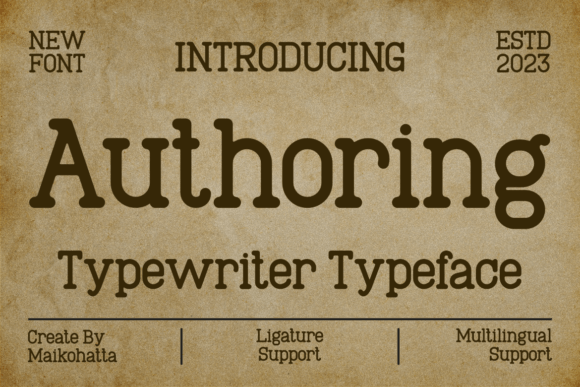
What sets Authoring apart is its deliberate fusion of styles. The serif foundations give it structure and readability, while the typewriter-inspired details—subtle ink inconsistencies, slightly uneven baselines, and textured edges—inject warmth and authenticity. It doesn’t try to be perfectly clean or digitally sterile. Instead, it embraces the human touch, making it ideal for projects that aim to feel personal, trustworthy, or creatively distinctive. Whether you’re designing a logo for an artisan coffee brand, crafting packaging for handmade goods, or developing a website for a boutique agency, Authoring brings an organic quality that resonates emotionally with audiences.
This premium font works beautifully as a display typeface for headlines and titles, where its intricate details can truly shine. But its thoughtful design also ensures it remains legible in shorter body text blocks, making it versatile across various applications. For those exploring modern typography trends, Authoring offers a refreshing alternative to overly minimal sans-serif fonts or overly decorative script typefaces. It sits in a sweet spot—distinctive enough to stand out, yet balanced enough to complement rather than overwhelm your overall design.
Practical Applications Across Creative and Commercial Projects
One of the greatest strengths of Authoring is its adaptability. Consider using it for branding and logo design, where a font’s personality directly shapes how customers perceive your business. A vintage-inspired bakery, a boutique publishing house, or a specialty tea company could leverage Authoring’s retro aesthetic to reinforce their brand story. The font’s texture and character make logos feel more tangible and memorable, helping with brand recognition in crowded markets.
Beyond logos, Authoring excels in packaging design. Imagine product labels for artisanal jams, craft beers, or handmade candles—the typewriter-inspired details add a layer of craftsmanship that aligns perfectly with small-batch, curated goods. For social media graphics, this typeface can help your posts stand out in fast-scrolling feeds. Its distinctive appearance catches the eye, whether you’re creating quote graphics, promotional announcements, or Instagram stories for a creative business.
For web design and blogs, Authoring can be used strategically for headings, pull quotes, or featured sections to inject personality without sacrificing readability. Pair it with a clean sans-serif font for body text to maintain visual hierarchy and ensure comfortable reading experiences. In print materials—think posters, flyers, brochures, or invitations—Authoring shines especially bright. Wedding invitations, event programs, or festival posters benefit from its nostalgic feel, evoking a sense of occasion and thoughtfulness.
Mercandise designers also find value in creative fonts like Authoring. Tote bags, mugs, notebooks, and apparel featuring typographic designs can leverage its unique aesthetic to appeal to audiences who appreciate vintage or retro styles. Editorial layouts for magazines, lookbooks, or digital publications can use Authoring to create striking chapter titles or section headers that draw readers into the content. Even marketing assets—email headers, ad banners, presentation slides—can benefit from its ability to communicate authenticity and creative confidence.
Enhancing Your Design Strategy with Thoughtful Typography
Choosing the right font isn’t just about aesthetics—it’s a strategic decision that impacts how your audience perceives and engages with your content. Authoring helps improve visual consistency across projects. By selecting a typeface that aligns with your brand’s personality, you create a cohesive visual language that strengthens brand recognition. When customers see the same distinctive font across your website, packaging, and social media, they begin to associate that style with your business, building familiarity and trust.
Readability remains paramount, even with a display font. Authoring’s serif structure provides a solid foundation for legibility, but it’s wise to test it at various sizes and in different contexts. For digital applications, ensure sufficient contrast against backgrounds. For print, consider paper texture and ink absorption, as Authoring’s textured details reproduce best on uncoated or matte stocks. Pairing Authoring with complementary typefaces is key. A simple sans-serif like Helvetica or Open Sans makes an excellent partner for body text, allowing Authoring to command attention in headlines without creating visual clutter.
Professional presentation matters in competitive markets. A thoughtfully chosen font like Authoring signals attention to detail and creative intention. It tells your audience you’ve considered every element of their experience, from first glance to final impression. This level of care can enhance audience engagement, encouraging people to spend more time with your content, share your materials, or develop a stronger connection to your brand.
Practical Tips for Implementing Authoring in Your Workflow
Before committing to any premium font for a project, take time to explore the included font styles and weights. Many quality typefaces offer multiple variations—regular, bold, italic, condensed—that expand your design possibilities. Test how Authoring looks in all caps for impactful headlines versus mixed case for more approachable messaging. Experiment with letter-spacing and line-height adjustments to optimize readability for your specific use case.
Font pairing is both an art and a science. Start by identifying the mood you want to create. Authoring’s retro sophistication pairs well with geometric sans-serifs for a balanced, modern-retro look. For a more traditional feel, consider pairing it with a classic serif like Garamond or Caslon. Avoid pairing it with other highly decorative fonts, which can create visual competition and confusion. Use tools like font pairing generators or design software to preview combinations before finalizing your choices.
Always review commercial licensing considerations when selecting fonts for business projects. Authoring, as a premium font, typically includes licenses for various applications—web, print, merchandise—but specifics vary by provider. Ensure your license covers all intended uses, especially if you plan to embed the font in digital products or distribute materials featuring the typeface. Respecting licensing terms protects your business legally and supports the designers who create these valuable assets.
Finally, trust your design instincts. Typography is ultimately about communication and feeling. If Authoring resonates with your project’s goals and audience, it’s likely the right choice. Create mockups, gather feedback, and observe how the font interacts with other design elements. The best typeface decisions come from understanding both the technical qualities and the emotional resonance of a font—and Authoring offers plenty of both to explore.