Playful Display Font: How Destitch Adds Craft Appeal
There is a specific kind of visual energy that captures the essence of handmade artistry without looking messy or amateurish. It is the feeling of a thread pulled through fabric, the clean geometry of embroidery patterns, and the whimsical charm of a craft fair sign. For designers and creative entrepreneurs, capturing this "craft aesthetic" in digital projects requires a typeface that understands the balance between playful character and structural integrity. This is where the Destitch typeface enters the conversation. It is not merely a collection of letters; it is a visual nod to the world of needlework and textile arts, offering a distinct personality that can transform a standard layout into something memorable and tactile.
Unlike rigid corporate typefaces or overly formal serif fonts, Destitch brings a sense of approachability. It serves as a bridge between the digital precision of web design and the organic warmth of physical crafting. If you are working on a project that needs to feel friendly, creative, or artisanal, this font provides the tools to achieve that look immediately.
Anatomy of a Display Typeface
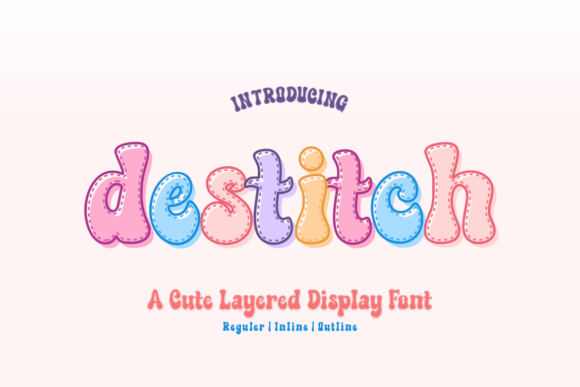
To understand how to use Destitch effectively, it helps to look at its construction. As a display font, it is designed specifically for headlines, titles, and short bursts of text rather than long-form body copy. Its defining characteristic is the "stitched" visual style, which mimics the look of embroidery or perforated paper.
- Regular: This provides the solid foundation. It features the unique stitch detailing but offers the most visual weight, making it perfect for main headers where legibility is the priority.
- Inline: This style introduces a sense of depth by carving a line through the center of the strokes. It adds a retro flair and works exceptionally well for sub-headers or accent text.
- Outline: By removing the fill, the Outline style leaves just the stitch border. This is ideal for creating subtle background patterns, watermarking images, or creating a "hollow" effect in posters and merchandise.
Because these styles are designed to work together, you can mix and match them to create complex typographic layouts without introducing visual clutter. This built-in cohesion is a massive advantage when developing a brand identity or a series of social media graphics.
Practical Applications for Modern Brands
While the inspiration for Destitch is rooted in traditional needlework, its application in modern graphic design is surprisingly broad. The "craft" aesthetic has moved beyond hobby circles and is now a dominant trend in branding, particularly for businesses that want to signal authenticity, care, and creativity.
Consider the needs of a small business owner launching a new product line. A premium font like Destitch can be the cornerstone of their visual strategy. Here is how it fits into various project types:
Packaging and Label Design
In a crowded marketplace, shelf appeal is everything. Destitch works beautifully for packaging design, especially for products in the food, beauty, or lifestyle sectors. Imagine a line of homemade jams or artisanal soaps; the stitched texture of the font implies that the product was made with human hands and attention to detail. The Outline style can be used to create a border around the ingredients list, while the Regular style anchors the product name.
Digital Presence and Web Design
On a website, typography guides the user's eye. Using Destitch for banner text or section headers can break the monotony of standard sans serif fonts. It adds a layer of personality that a standard "About Us" page often lacks. However, because it is a display font, it is best used sparingly. Pairing it with a clean, neutral sans-serif for body text ensures that the site remains readable and professional while still maintaining that creative spark.
Invitations and Event Materials
For event planners and individuals creating print materials, the font offers a distinct advantage for invitations to craft workshops, birthday parties, or bridal showers. The playful nature of the typeface sets the mood instantly. It tells the recipient that the event will be fun and relaxed before they even read the details.
Merchandise and Apparel
Mastering Font Pairings and Hierarchy
One of the most common mistakes in design is using a decorative font for everything. Because Destitch has a strong personality, it requires a supporting cast of typefaces to function effectively. This is where the concept of font pairing becomes essential.
To ensure readability, you should contrast the playful, textured nature of Destitch with something clean and geometric.
- Pair with Sans Serifs: A modern, wide sans-serif font grounds the whimsical nature of Destitch. The contrast between the "stitched" headers and the clean body text creates a professional balance. Think of fonts like Montserrat, Raleway, or even a basic Arial for digital use.
- Pair with Serifs: For a more editorial look, such as in a magazine layout or a blog, pairing Destitch with a classic serif font can create a sophisticated "modern craft" vibe. The serif font adds authority, while Destitch adds charm.
Strategic Considerations for Brand Consistency
Choosing a creative font is a strategic decision that impacts brand recognition. When you use Destitch across your marketing assets—from your Instagram stories to your email newsletters—you create a visual thread (pun intended) that ties your brand together.
However, consistency goes beyond just using the same font. It involves understanding the licensing and technical aspects of the asset. Ensure that the version of Destitch you purchase includes a commercial font license if you intend to use it on products for sale or client work. This protects you legally and ensures you are supporting the type designers who created the work.
Injecting Personality into Editorial Layouts
For content creators, publishers, and bloggers, the layout of an article is just as important as the words themselves. Editorial design often relies on typography to break up long blocks of text and guide the reader through the narrative.
Final Thoughts on Visual Communication
Typography is the voice of your design. While a script font might whisper elegance and a bold sans-serif might shout authority, Destitch speaks with a voice that is friendly, creative, and tactile. It is a typeface that refuses to be boring.
By incorporating this font into your toolkit, you are not just buying letters; you are buying a mood. Whether you are a hobbyist making invitations for a baby shower or a professional designer developing a logo design for a new craft brewery, the right typeface can elevate your work from functional to inspirational. Destitch offers the versatility of three distinct styles and the charm of a handcrafted aesthetic, making it a valuable asset for anyone looking to add a touch of playfulness to their visual communication.